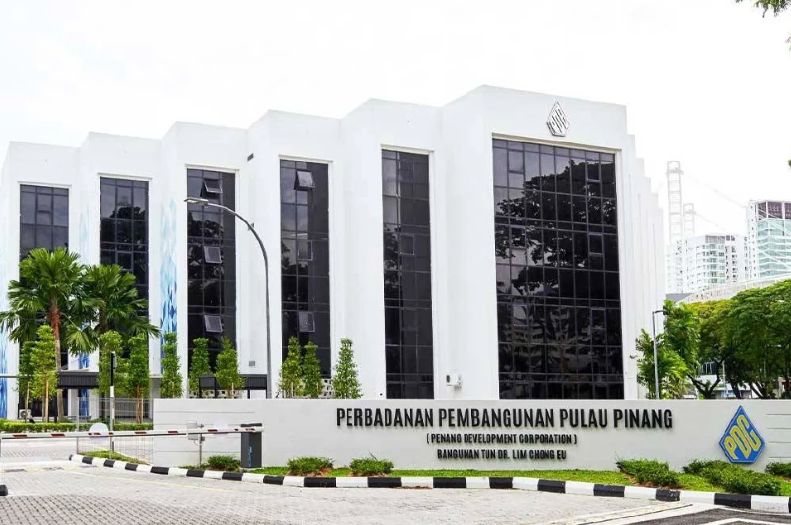
Who is Penang Development Corporation (PDC)?
Introduction to Penang Development Corporation (PDC)
The Penang Development Corporation stands as one of Malaysia’s most influential state development agencies, playing a central role in transforming Penang into a globally recognized hub for manufacturing, technology, logistics, tourism, and urban development. Established under the Penang Development Corporation Enactment of 1969, PDC has become the driving force behind Penang’s industrialization strategy, infrastructure expansion, township planning, and economic modernization.
Today, Penang is widely known as the “Silicon Valley of the East,” hosting multinational corporations, semiconductor giants, advanced manufacturing facilities, medical device companies, and global supply chain operations. Behind much of this transformation lies the long-term planning, industrial land development, and investment facilitation orchestrated by PDC.
As Penang continues evolving into a smart, sustainable, and globally competitive economy, understanding the role of PDC becomes increasingly important for investors, manufacturers, industrial property buyers, developers, and international corporations seeking opportunities in Malaysia.
History of Penang Development Corporation
Formation During Penang’s Economic Transition
PDC was formed during a critical economic period when Penang faced high unemployment rates and economic uncertainty following the decline of traditional port activities. The state government needed a dedicated agency capable of attracting foreign direct investment (FDI), creating jobs, and modernizing the state economy.
The establishment of PDC marked the beginning of Penang’s industrial revolution.
Through aggressive industrial planning and investor-friendly policies, PDC successfully attracted multinational electronics companies during the 1970s and 1980s. This laid the foundation for Penang’s globally respected electrical and electronics (E&E) ecosystem.
Major industrial areas developed under PDC’s initiatives include:
- Bayan Lepas Free Industrial Zone
- Perai Industrial Zone
- Batu Kawan Industrial Park
- Penang Science Park
- Bukit Minyak Industrial Area
- Technology parks and logistics hubs
These developments transformed Penang from a trading port economy into one of Southeast Asia’s leading manufacturing destinations.
Core Functions of Penang Development Corporation
1. Industrial Development
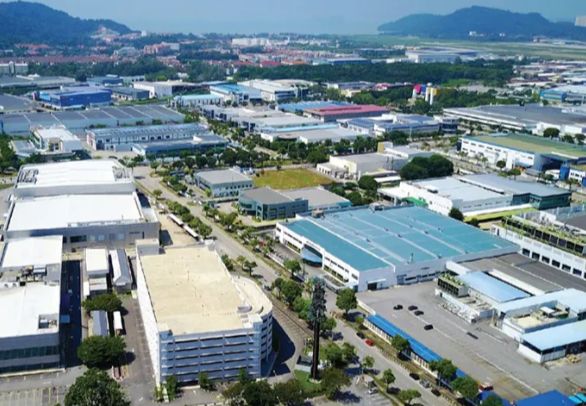
One of PDC’s primary responsibilities is industrial land planning and development.
PDC develops industrial parks equipped with:
- Infrastructure
- Roads
- Utility connections
- Power supply
- Water systems
- Telecommunication networks
- Drainage systems
- Environmental compliance facilities
The corporation works closely with local authorities, utility providers, and federal agencies to ensure industrial zones are investment-ready.
Industrial investors frequently engage with PDC for:
- Land acquisition
- Factory development
- Build-to-suit projects
- State consent applications
- Lease agreements
- Development approvals
- Industrial relocation assistance
Penang’s industrial ecosystem, especially within semiconductor and electronics sectors, heavily depends on the structured planning introduced by PDC.
2. Investment Promotion
PDC actively collaborates with investment agencies to attract multinational corporations into Penang.
Key sectors promoted include:
- Semiconductor manufacturing
- Integrated circuit (IC) design
- Medical devices
- Automation
- Data centers
- Artificial intelligence
- Precision engineering
- Aerospace
- Logistics
- Digital economy sectors
PDC’s role in investment facilitation includes:
- Site selection assistance
- Land availability coordination
- Industrial zoning support
- Investor liaison
- Infrastructure planning
- Coordination with federal authorities
The corporation contributes significantly to Penang’s consistently strong foreign direct investment inflows.
3. Urban and Township Development
Beyond industrialization, PDC also develops residential, commercial, and mixed-use townships.
Major township developments associated with PDC include:
- Bayan Baru
- Seberang Jaya
- Bandar Cassia
- Batu Kawan developments
- Affordable housing initiatives
These developments support Penang’s growing workforce population while improving living standards and urban infrastructure.
PDC’s township planning often integrates:
- Residential zones
- Commercial centers
- Educational institutions
- Healthcare facilities
- Recreational amenities
- Transportation infrastructure
This integrated planning approach helps sustain long-term economic growth.
PDC’s Role in Penang’s Industrial Ecosystem
Bayan Lepas Free Industrial Zone (FIZ)
The Bayan Lepas Free Industrial Zone remains one of PDC’s most successful developments.
Established in the early 1970s, the FIZ attracted major multinational corporations including companies involved in:
- Semiconductor assembly
- Electronics manufacturing
- Automation systems
- Precision components
- Medical technology
The zone became the cornerstone of Penang’s E&E cluster, creating thousands of skilled jobs and strengthening Malaysia’s export economy.
Today, Penang contributes significantly to Malaysia’s electrical and electronics exports, with many operations located within industrial zones originally planned or facilitated by PDC.
Batu Kawan Industrial Development
Batu Kawan represents the next generation of industrial and township expansion led by PDC.
The area has rapidly evolved into a major investment corridor featuring:
- Modern industrial parks
- Logistics facilities
- Manufacturing campuses
- Commercial developments
- Residential townships
Strategic infrastructure supporting Batu Kawan includes:
- Second Penang Bridge
- North-South Expressway connectivity
- Port access
- Expanding utility infrastructure
The region continues attracting high-value manufacturing and technology investments.
PDC and Industrial Land Ownership
Why PDC Consent Matters
Many industrial properties in Penang involve PDC ownership structures or restrictions.
Industrial land transactions frequently require:
- PDC consent
- State authority consent
- Compliance approvals
- Transfer conditions
- Development commitments
This is especially relevant for:
- Foreign-owned companies
- Industrial property sales
- Lease transfers
- Subletting arrangements
- Corporate restructuring exercises
PDC consent mechanisms help ensure industrial land is utilized according to approved economic activities and state planning objectives.
Common Industrial Property Conditions
Industrial properties linked to PDC may include conditions such as:
- Manufacturing-use restrictions
- Development deadlines
- Transfer limitations
- Approval requirements for ownership changes
- Operational compliance obligations
Buyers and investors must carefully review these conditions during due diligence exercises.
Failure to comply with PDC conditions can result in:
- Approval delays
- Penalties
- Restrictions on transfer
- Operational complications
Therefore, industrial property transactions in Penang often involve legal advisors, real estate consultants, and coordination with PDC authorities.
PDC’s Contribution to Penang’s Economy
Job Creation
PDC has contributed significantly to employment growth across Penang.
Its industrial strategies created opportunities in:
- Manufacturing
- Engineering
- Logistics
- Technology
- Construction
- Services
- Research and development
Penang now hosts a highly skilled industrial workforce supported by decades of industrial ecosystem development.
Foreign Direct Investment (FDI)
Penang consistently ranks among Malaysia’s top destinations for manufacturing investment.
PDC’s industrial infrastructure planning has helped attract companies from:
-United States
-Germany
-Japan
-Taiwan
-China
-Singapore
-Europe
The state’s strong semiconductor ecosystem continues positioning Penang as a strategic global supply chain hub.
Technology and Innovation
PDC increasingly supports technology-driven economic growth.
Modern industrial development priorities now include:
-Smart manufacturing
-Industry 4.0
-Artificial intelligence
-Automation systems
-Green technology
-Data centers
-Digital economy infrastructure
This transition strengthens Penang’s position as a high-value industrial destination rather than merely a low-cost manufacturing base.
PDC and Affordable Housing
In addition to industrial projects, PDC actively participates in affordable housing initiatives.
These developments support:
-Middle-income families
-Industrial workers
-Young professionals
-Urban population growth
Housing initiatives help maintain social balance while supporting economic expansion.
PDC’s housing strategy often integrates:
-Public transportation access
-Community infrastructure
-Schools
-Healthcare facilities
-Commercial amenities
Challenges Faced by PDC
Industrial Land Scarcity
As Penang grows, industrial land availability becomes increasingly limited, especially on Penang Island.
This creates challenges including:
-Rising industrial land prices
-Competition for strategic sites
-Infrastructure strain
-Demand for vertical industrial development
PDC continuously explores new industrial expansion areas to support future investment growth.
Infrastructure Demand
Rapid industrialization increases pressure on:
-Electricity supply
-Water resources
-Transportation systems
-Waste management
-Environmental sustainability
PDC works alongside government agencies and infrastructure providers to address these growing demands.
Future Direction of Penang Development Corporation
Smart Industrial Ecosystems
Future PDC developments are expected to emphasize:
-ESG integration
-Sustainable infrastructure
-Smart industrial parks
-Renewable energy readiness
-Digital connectivity
-Automation infrastructure
These initiatives align with global manufacturing trends and multinational investment requirements.
Penang Silicon Valley Vision
Penang continues positioning itself as a regional technology powerhouse.
PDC plays a crucial role in enabling:
-Semiconductor ecosystem growth
-IC design clusters
-High-tech manufacturing
-Innovation corridors
-Research collaboration networks
The corporation remains central to Penang’s long-term economic competitiveness.
Why Investors Monitor PDC Closely
Industrial investors, developers, manufacturers, and multinational corporations closely monitor PDC activities because the corporation heavily influences:
-Industrial land supply
-Development approvals
-Infrastructure expansion
-Industrial zoning
-Strategic investment corridors
-Economic growth direction
Changes in PDC planning policies can directly impact industrial property values, investment opportunities, and future manufacturing expansion within Penang.
For industrial property buyers and tenants, understanding PDC requirements is essential when evaluating factories, warehouses, industrial land, and technology park developments.
Conclusion
The Penang Development Corporation remains one of Malaysia’s most important state economic development agencies. From pioneering Penang’s industrial transformation to shaping modern industrial parks, townships, and technology ecosystems, PDC continues driving the state’s long-term growth trajectory.
Its influence extends across manufacturing, infrastructure, urban planning, investment promotion, and industrial property development. As Penang strengthens its position within the global semiconductor and advanced manufacturing supply chain, PDC’s strategic importance will continue expanding.
For investors, manufacturers, industrial property owners, and businesses entering Penang, understanding the structure, responsibilities, and economic influence of PDC is essential for navigating opportunities within one of Southeast Asia’s most dynamic industrial economies.