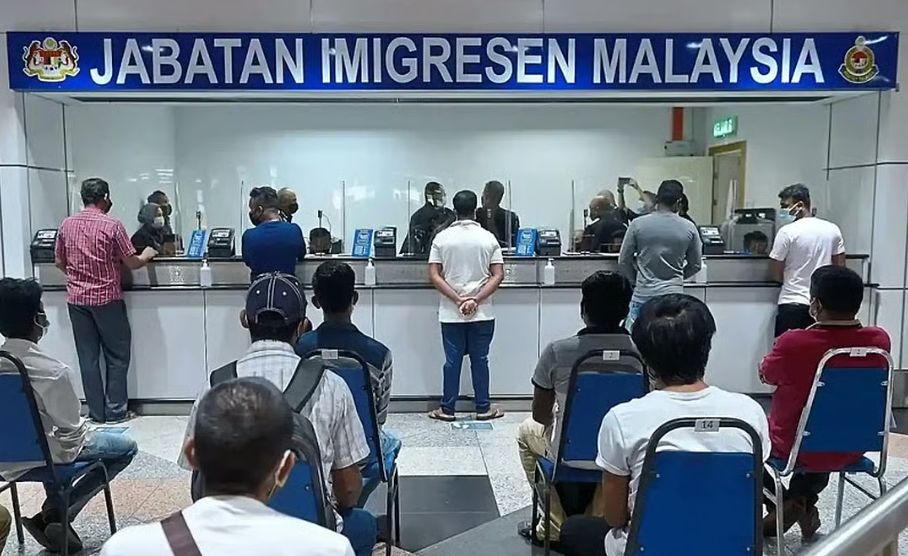
Many SMEs in Malaysia, especially those in manufacturing, construction, agriculture and service sectors, consider hiring foreign workers when facing manpower shortages.
However, the process is not simply about applying for a work permit. It involves a complete procedure covering employer eligibility, quota approval, immigration clearance, medical examination, VP(TE)/PLKS and subsequent renewals.
🇲🇾 What Is Malaysia’s Foreign Worker System?
The Immigration Department of Malaysia, under the Ministry of Home Affairs, is responsible for issuing visas, passes and permits, managing the entry and exit of foreign nationals, and enforcing immigration regulations.
Its vision is to provide “World Class Immigration Services”, while its mission focuses on improving immigration services while balancing national security and public well-being.
The Foreign Worker system is one of the main mechanisms used by the Immigration Department to manage the entry, employment and legal residence status of foreign workers in Malaysia.
🏭 Which Sectors Can Employ Foreign Workers?
The main sectors listed by the Immigration Department include:
Manufacturing
Construction
Agriculture
Plantation
Services
In general, foreign workers must be between 18 and 45 years old, come from approved source countries and pass the required medical examination.
Employers must also obtain the necessary approval and foreign worker quota before recruitment.
Since 1 January 2023, employers hiring new non-Malaysian employees are also required to obtain Prior Approval from JTKSM under Section 60K of the Employment Act 1955.
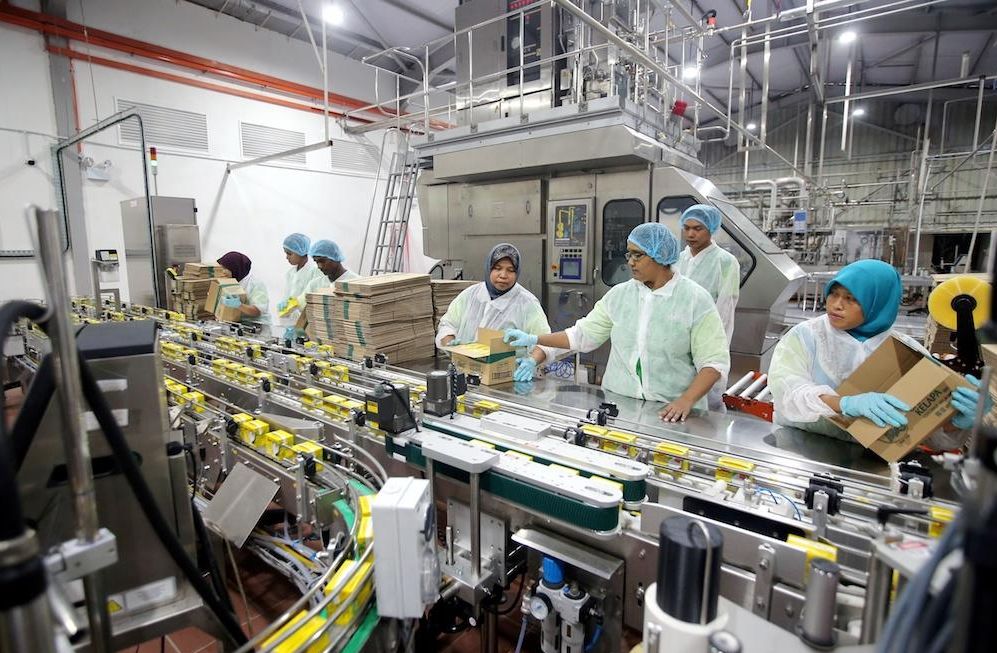
📋 What Does the Application Process Look Like?
A simplified process is:
Employer Eligibility / Approval → Foreign Worker Quota → VDR → Entry Visa → Arrival in Malaysia → FOMEMA Medical Examination → VP(TE)/PLKS → i-Kad → Annual Renewal
After entering Malaysia, foreign workers must complete the required FOMEMA medical examination.
Only after passing the medical examination can they obtain the Visit Pass (Temporary Employment), or VP(TE), commonly referred to as PLKS.
The VP(TE) is generally valid for 12 months, and employers may begin the renewal process up to three months before expiry.
One point employers should take note of is that the Immigration Department’s official page currently contains different references regarding the required arrival clearance period, mentioning both 6 hours and 24 hours in different sections. Employers should therefore verify the latest requirement directly with the authorities when bringing workers into Malaysia.
💰 What Costs Do Employers Need to Consider?
Apart from recruitment, accommodation and transportation costs, employers may also need to pay for:
Levy + VP(TE) + Processing Fee + Visa + Security Bond + Insurance / FWCS
For Peninsular Malaysia, the official levy currently listed includes:
Manufacturing: RM1,850 per year
Construction: RM1,850 per year
Services: RM1,850 per year
Plantation: RM640 per year
Agriculture: RM640 per year
There are also other charges such as VP(TE), processing fees, visas and security bonds, depending on the worker’s nationality and applicable requirements.
🏢 Why Should SMEs Understand This Early?
From my experience in industrial property, I often see companies focus first on factory location, machinery, electrical supply and production layout.
Only when the factory is almost ready do they start asking:
“Can we apply for foreign workers?”
“Is there still quota available for our industry?”
“How long will it take before the workers can enter Malaysia?”
In reality, manpower planning should be done together with factory planning.
For a manufacturing company, even if the factory has sufficient space, machinery and 800A or 1,200A power supply, production may still be delayed if manpower approval has not been arranged in advance.
Therefore, SMEs planning to expand, relocate or establish operations in Malaysia should include foreign worker planning from the early stages of the project.
📌 Simple Case Study
Imagine an electronics components manufacturer in Penang planning to expand production and requiring an additional 50 production workers.
The company cannot simply arrange for 50 foreign workers to enter Malaysia and start working immediately.
The process would generally involve:
Company and Sector Eligibility → JTKSM Prior Approval → Foreign Worker Quota / Relevant Approval → VDR → Visa → Entry into Malaysia → FOMEMA → VP(TE)
Only after the workers obtain the correct legal employment status can they work for the approved employer and sector.
Foreign workers under VP(TE) are also generally not allowed to freely change employers or employment sectors without the appropriate approval.
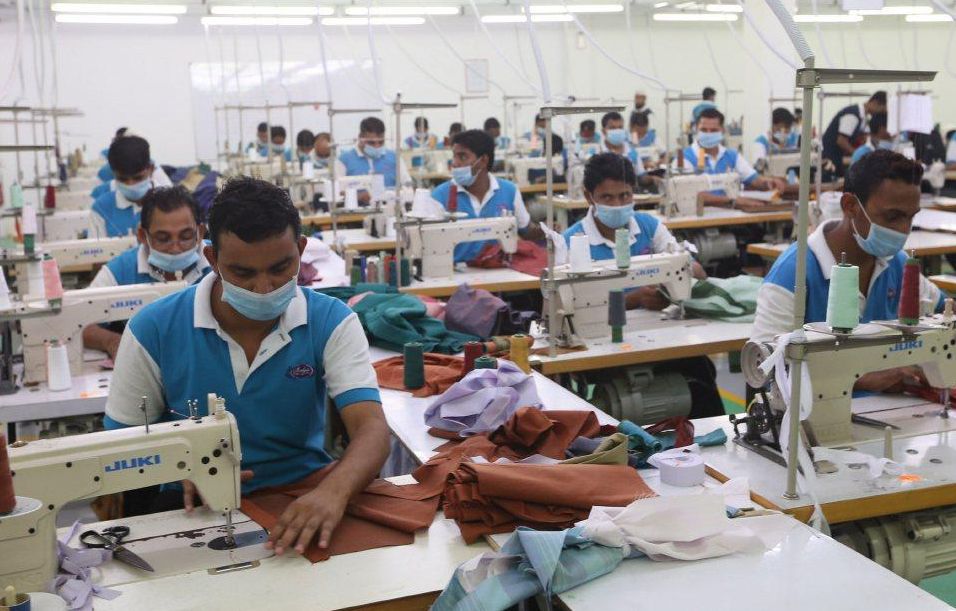
⚠️ Important for 2026 Applications
Foreign worker policies and quota arrangements can change according to Malaysia’s labour policies.
Therefore, companies planning to apply for new foreign worker quota in 2026 should not rely solely on previous application procedures.
Before proceeding, employers should verify the latest requirements regarding:
Sector eligibility, sub-sector eligibility, quota availability and current application procedures.
For manufacturers, foreign worker planning is not only an HR matter.
It can directly affect your:
Factory Planning
Production Schedule
Expansion Timeline
If you find this useful, save it for future reference 👍
#Malaysia #ForeignWorker #MalaysiaBusiness #SME #Manufacturing #MalaysiaFactory #PenangIndustry #HumanResources #MalaysiaImmigration