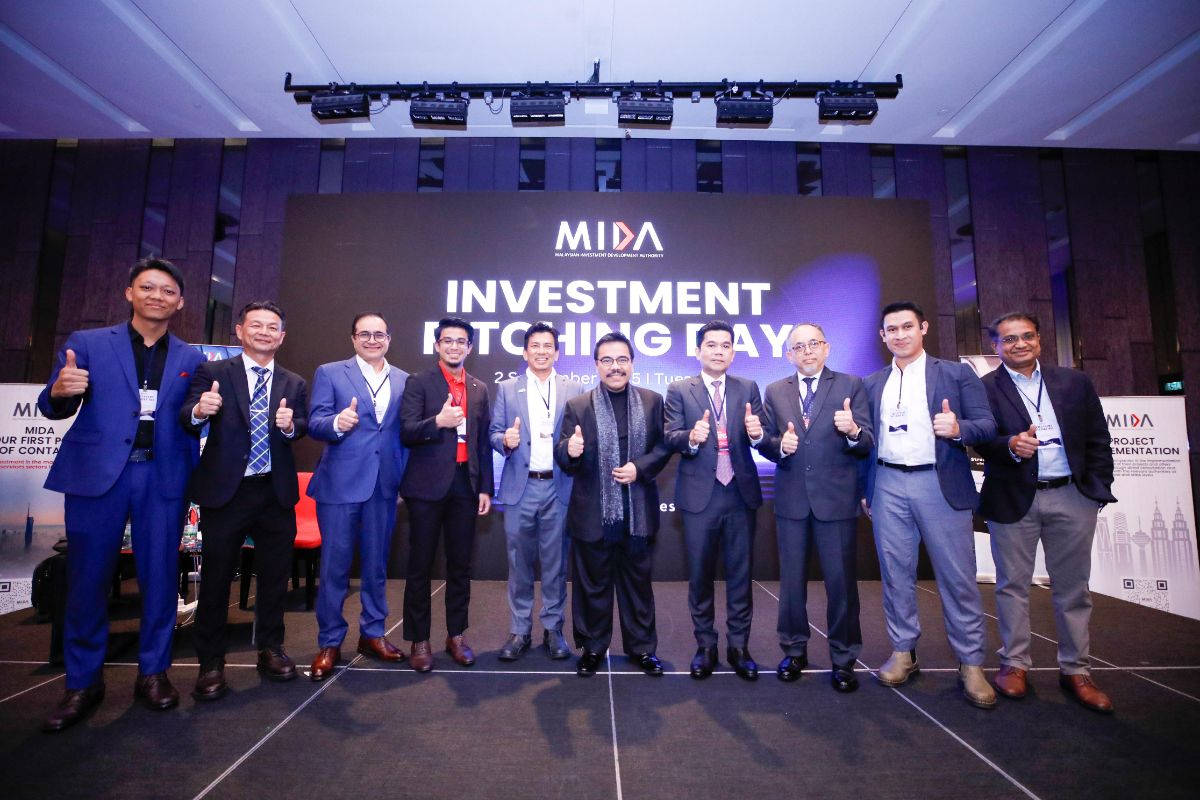
If you plan to establish a factory, expand production, introduce automation or apply for a Manufacturing Licence in Malaysia, MIDA should be one of your first points of contact.
What is MIDA?
MIDA stands for the Malaysian Investment Development Authority.
It is Malaysia’s principal investment promotion and development agency under MITI, overseeing investments in the manufacturing and selected services sectors. In practical terms, MIDA helps businesses move from an initial proposal to project implementation in Malaysia.
Vision and mission 🎯
MIDA’s vision is:
“To position Malaysia as the pre-eminent preferred investment destination.”
Its mission is:
“To build dynamic and sustainable investment ecosystems.”
Its broader objectives include:
Attracting high-value and technology-driven projects
Encouraging domestic business expansion
Supporting automation, digitalisation and ESG adoption
Developing skilled employment
Strengthening Malaysia’s local supply chain
Helping approved projects reach implementation
What does MIDA offer?
MIDA evaluates and facilitates applications involving:
Manufacturing Licences
Tax incentives
Expatriate posts
Duty exemptions for qualifying raw materials and components
Duty exemptions for qualifying machinery and equipment
Regional establishment projects
Coordination with relevant Malaysian authorities
MIDA also works with agencies and utility providers such as Immigration, Customs, the Department of Environment, TNB and Telekom Malaysia.

Why do SMEs need MIDA? 💡
Many SMEs know what they want to produce but are uncertain about licences, incentives, technology providers, funding channels and government procedures.
Through the Domestic Investment Coordination Platform, MIDA identifies a company’s needs and may connect it with suitable financial institutions, technology providers, research organisations or business partners.
Eligible Malaysian SMEs and Mid-Tier Companies may also explore support programmes such as DIAF for automation, digitalisation, capability development and ESG adoption. Availability and eligibility should always be checked against the latest official guidelines.
Case study: TAPAK Urban Street Dining 🚚
MIDA made its Jalan Ampang site available to the local startup TAPAK, which transformed it into an urban food-truck hub.
The location grew to accommodate more than 30 food trucks, giving home-based cooks, former delivery riders and first-time entrepreneurs access to an organised operating platform and an established customer base. TAPAK subsequently expanded to six locations and introduced its own booking application.
My practical view 👀
From an industrial-property and site-selection perspective, companies should approach MIDA before finalising a factory.
A better sequence is:
Confirm the product, capacity and power requirements.
Check licensing and approval requirements.
Study potential incentives and exemptions.
Select the industrial park, land or factory.
Align construction, machinery and operational timelines.
Early planning can reduce the risk of choosing an unsuitable property, missing essential documents or delaying the project.
Save this article if your company is planning to expand or establish manufacturing operations in Malaysia—and follow for more Malaysian industrial-property and factory-setup insights.